 +1-3236076188
 sales@marketmonitorglobal.com
 Log In
  Log In
 Global VHH Antibody Drugs Market to Reach $0.81 Billion by 2032, Growing at 9.5% CAGR
Tuesday,11 Aug,2026
VHH Antibody Drugs: Definition and Principles
VHH Antibody Drugs, also known as single-domain antibodies or nanobody therapeutics, are recombinant protein drugs derived from the variable domain (VHH) of heavy-chain antibodies naturally found in camelids such as llamas and camels. Compared to conventional monoclonal antibodies, VHH antibodies are significantly smaller in size, offering advantages such as structural simplicity, high stability, ease of genetic engineering, and strong tissue penetration. They maintain high affinity and specificity in complex physiological environments. Through engineering approaches such as fusion, multivalency, and bispecific design, VHH antibodies can be developed into multifunctional therapeutic molecules. They are widely applied in oncology, autoimmune diseases, infectious diseases, and neurological disorders. With advancements in protein engineering, synthetic biology, and delivery technologies, VHH antibody drugs are evolving from single-target therapies into multifunctional precision medicine platforms, representing a key direction in next-generation biologics.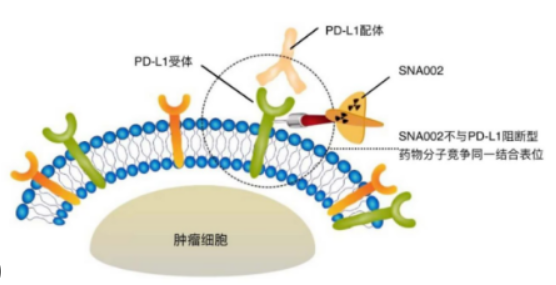
Key technical characteristics:
-
Small molecular size: Approximately 15 kDa, enabling superior tissue penetration and access to hidden epitopes.
-
High stability: Resistant to extreme pH and temperature conditions, enabling diverse formulation and delivery options.
-
Ease of engineering: Simple structure allows straightforward fusion, multimerization, and bispecific design.
-
High specificity and affinity: Maintains target binding in complex physiological environments.
-
Low immunogenicity: Highly homologous to human VH domains, reducing immune response risk.
Key product types:
-
Monospecific (largest segment, 90.1% share): Single-target VHH antibodies that bind to one specific antigen. These represent the most straightforward and clinically developed class of nanobodies.
-
Multispecific: VHH antibodies engineered to bind two or more targets simultaneously, enabling enhanced therapeutic effects and broader indications.
-
Conjugated: VHH antibodies conjugated to toxins, drugs, or radionuclides for targeted delivery.
Key applications:
-
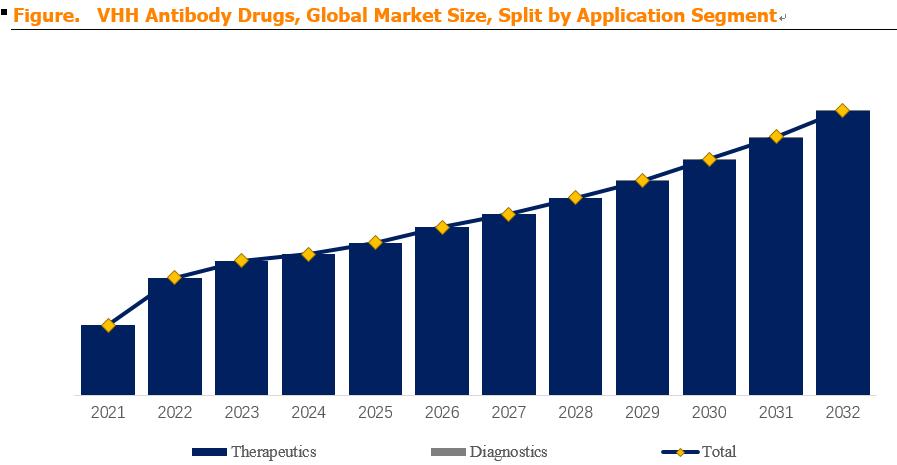
Therapeutics (largest application, 100% share): VHH antibodies are exclusively used for therapeutic purposes, including oncology, autoimmune diseases, infectious diseases, and neurological disorders.
-
Diagnostics: VHH antibodies are also used in diagnostic applications, though this represents a smaller segment.
VHH Antibody Drugs Market Summary
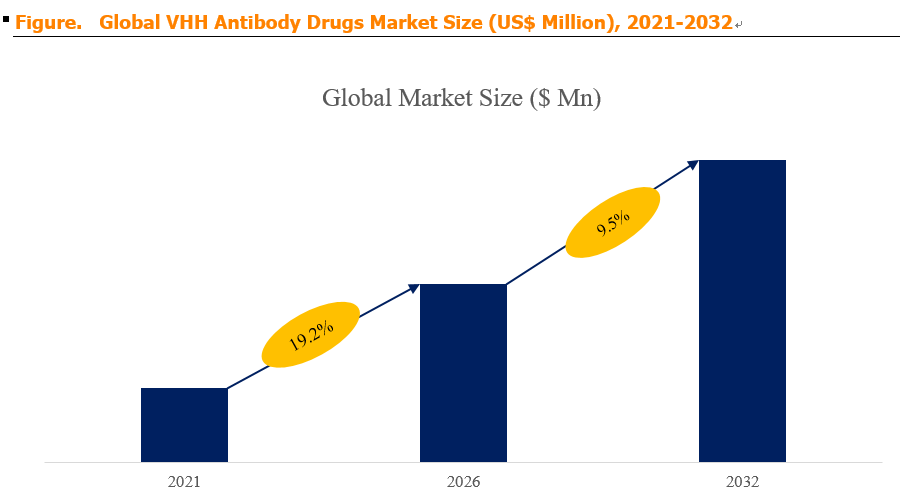
According to a new market research report published by Market Monitor Global, the global VHH Antibody Drugs market is projected to reach approximately 0.81 billion USD by 2032, growing at a compound annual growth rate of 9.5% during the forecast period. This growth is driven by accelerating biopharmaceutical innovation, the growing demand for superior tissue penetration and target accessibility, rapid growth in oncology immunotherapy and autoimmune diseases, and the maturation of bispecific and multifunctional antibody technologies.
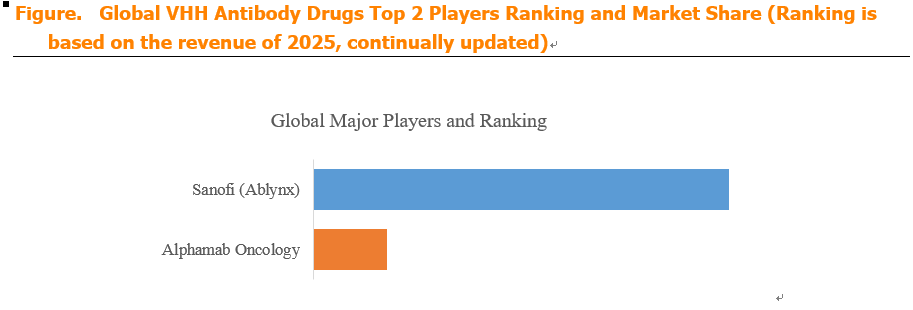
Market Monitor Global's analysis indicates that the global key manufacturers of VHH Antibody Drugs are highly concentrated, with a few leading players dominating the market. Sanofi is a major player in the VHH antibody drug space through its acquisition of Ablynx, which is a pioneer in nanobody technology. Ablynx has developed a robust pipeline of VHH antibody therapeutics across multiple indications, including inflammatory diseases, oncology, and hematology.
Other notable players include Novartis, Merck, and various biotech companies focusing on nanobody platforms. The market remains in a relatively early stage, with limited commercialized products but a strong pipeline of clinical candidates across multiple indications.
In terms of product type, Monospecific is the largest segment, holding a 90.1% share. Single-target VHH antibodies represent the most straightforward and clinically developed class of nanobodies. Multispecific and Conjugated account for the remainder, with these segments growing as engineering capabilities advance and combination therapies become more prevalent.
Regarding application, Therapeutics accounts for 100% of the market, reflecting the exclusive therapeutic focus of VHH antibody drugs. While VHH antibodies are also used in diagnostic applications, these represent a smaller segment outside the scope of this analysis.
Regional dynamics: North America is the largest market, driven by strong biopharmaceutical innovation, advanced R&D infrastructure, and major pharmaceutical companies with VHH antibody programs. Europe is a significant market, driven by the presence of key players such as Ablynx and strong research institutions. The Asia-Pacific region is the fastest-growing market, led by China's rapidly expanding biopharmaceutical sector and increasing investment in innovative drug development.
VHH Antibody Drugs Market Dynamics
Market Drivers:
The first driver is accelerating biopharmaceutical innovation and the continuous evolution of antibody therapeutics. Government policies are encouraging innovative drug development and advancing biotechnology platforms. VHH antibodies offer superior tissue penetration and target accessibility compared to conventional monoclonal antibodies, enabling the targeting of previously inaccessible epitopes.
The second driver is rapid growth in oncology immunotherapy, autoimmune diseases, and rare diseases. The increasing prevalence of cancer and autoimmune conditions is driving demand for novel therapeutic approaches. VHH antibodies' small size and high specificity make them attractive for solid tumor treatments and precision medicine applications.
The third driver is the maturation of bispecific and multifunctional antibody technologies. Engineering approaches such as fusion, multivalency, and bispecific design enable the development of multifunctional therapeutic molecules. These technologies are driving the industry toward platform-based and product-driven expansion.
The fourth driver is the unique advantages of VHH antibodies in terms of stability, manufacturability, and delivery. Their small size and high stability enable diverse formulation and delivery options, including oral, pulmonary, and topical administration routes that are not feasible for conventional monoclonal antibodies.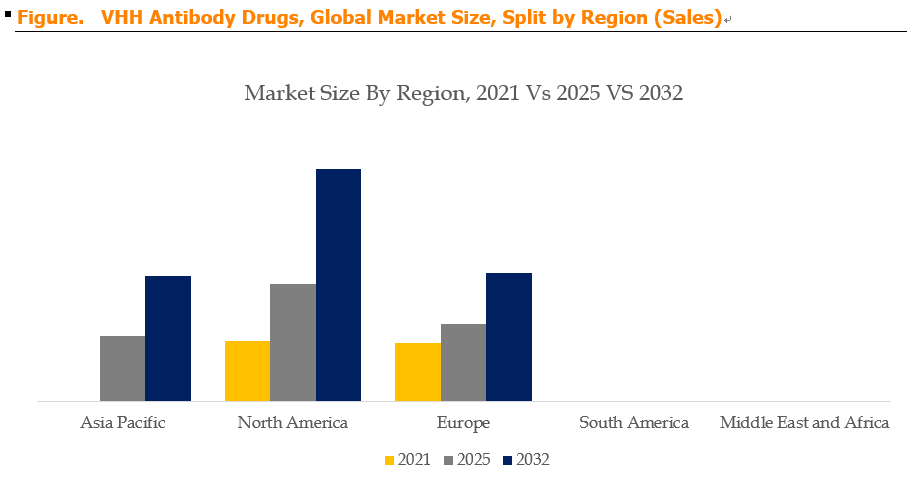
Market Restraints:
One major restraint is the shorter in vivo half-life of VHH antibodies. VHH antibodies generally have shorter half-lives than conventional monoclonal antibodies, requiring molecular engineering or delivery system optimization, which increases development complexity. Half-life extension technologies such as PEGylation, fusion to albumin-binding domains, or Fc fusion are required for many applications.
Another restraint is the long clinical development cycles and high R&D costs. The development of VHH antibody drugs requires significant investment in discovery, preclinical, and clinical development. The high cost and lengthy timelines impose financial and technical burdens on companies, particularly smaller biotech firms.
Intense global competition and patent barriers present another challenge. The antibody drug market is highly competitive, with leading players holding advantages in patents and platform technologies. High entry barriers limit the ability of new entrants to compete effectively.
Finally, increasingly stringent regulatory standards require higher levels of safety, immunogenicity control, and product consistency. Regulatory agencies are demanding more rigorous characterization of novel biologics, including VHH antibodies, which adds to development costs and timelines._[6.png)
Market Opportunities:
A significant opportunity lies in the development of VHH antibodies for solid tumors. Their small size and superior tissue penetration enable targeting of tumors and epitopes that are inaccessible to conventional monoclonal antibodies. VHH antibodies can also be engineered to penetrate the blood-brain barrier for central nervous system applications.
Another opportunity is the expansion of bispecific and multifunctional VHH antibodies. Engineering VHH antibodies to bind two or more targets simultaneously enables enhanced therapeutic effects and broader indications. Bispecific and multispecific formats are particularly promising in oncology and autoimmune diseases.
The development of novel delivery platforms presents another opportunity. VHH antibodies' stability and small size enable diverse formulation approaches, including oral, inhaled, and topical delivery. These alternative routes of administration offer significant advantages in patient convenience and compliance.
The expansion of VHH antibodies into new indications offers growth potential. Beyond oncology and autoimmune diseases, VHH antibodies are being explored for infectious diseases, neurological disorders, and metabolic diseases. The versatility of the VHH platform supports expansion into these diverse therapeutic areas.
Finally, partnerships and licensing agreements present opportunities for market development. Partnerships between biotech companies and large pharmaceutical firms can accelerate clinical development and commercialization, enabling VHH antibody drugs to reach patients more quickly.
Industry Trends:
-
Monospecific as the dominant product type: Monospecific VHH antibodies hold 90.1% of the market, representing the most clinically developed class.
-
Therapeutics as the exclusive application: Therapeutics accounts for 100% of the market, reflecting the therapeutic focus of VHH antibody drugs.
-
Highly concentrated market: The top players dominate the VHH antibody drug market, with limited competition from new entrants.
-
Advancements in protein engineering: Fusion, multivalency, and bispecific design are driving innovation in VHH antibody therapeutics.
-
Expanding application scope: VHH antibodies are being developed for oncology, autoimmune diseases, infectious diseases, and neurological disorders.
-
Half-life extension technologies: Molecular engineering approaches are addressing the shorter half-life of VHH antibodies.
-
Emerging delivery platforms: Alternative routes of administration such as oral and inhaled delivery are being explored for VHH antibodies.

Upstream Industry Chain Analysis:
Key upstream elements in the VHH antibody drugs industry chain include antibody screening platforms, genetic engineering vectors, expression systems, culture media, and purification materials. Screening efficiency and expression system performance are critical to product development success.
Antibody screening platforms include phage display, yeast display, and mammalian display technologies. These platforms enable the identification of VHH antibodies with high affinity and specificity against target antigens. Advances in screening technologies are improving discovery efficiency and expanding the diversity of VHH antibody candidates.
Genetic engineering vectors are used to construct expression constructs for VHH antibodies. Vectors are optimized for expression in bacterial (E. coli), yeast, or mammalian systems. Advances in vector design are improving expression yields and product quality.
Expression systems include bacterial, yeast, and mammalian cell platforms. The choice of expression system affects product quality, yield, and manufacturing cost. While E. coli is the most commonly used system for VHH antibody production, mammalian systems are sometimes required for complex formats.
Culture media and purification materials are critical for large-scale production. Advances in media formulation and purification technologies are improving yield, purity, and manufacturing efficiency.
Industry disclosures indicate that advances in synthetic biology and protein engineering are enhancing upstream platform capabilities, although challenges remain in high-end screening technologies and large-scale industrialization. The supply chain is evolving from pure R&D toward integrated R&D and manufacturing models, with upstream players transforming into technology platform companies, strengthening overall innovation capacity in the industry.
Industry Structure and Competitive Dynamics
The global VHH Antibody Drugs market is characterized by a highly concentrated competitive landscape. A few major players dominate the market, with limited competition from smaller biotech companies. Sanofi, through its acquisition of Ablynx, is a leading player with a robust pipeline of VHH antibody therapeutics. Other significant players include Novartis, Merck, and various biotech companies focusing on nanobody platforms.
Key success factors in this market:
-
Screening platform capability: Ability to discover high-affinity, high-specificity VHH antibodies.
-
Protein engineering expertise: Capability to engineer VHH antibodies for improved properties and multifunctional formats.
-
Manufacturing capability: Efficient, scalable production processes for VHH antibodies.
-
Clinical development expertise: Ability to navigate regulatory requirements and conduct successful clinical trials.
-
Partnerships and collaborations: Strategic partnerships with large pharmaceutical companies for commercialization.
-
Intellectual property: Strong patent portfolios covering VHH antibody platforms and product candidates.


