 +1-3236076188
 sales@marketmonitorglobal.com
 Log In
  Log In
 Home>News>Global 3-Amino-1,2-Propanediol Market to Reach $104.48 Million by 2030, Growing at 5.59% CAGR
Global 3-Amino-1,2-Propanediol Market to Reach $104.48 Million by 2030, Growing at 5.59% CAGR
Wednesday,08 Jul,2026
3-Amino-1,2-Propanediol: Definition and Applications
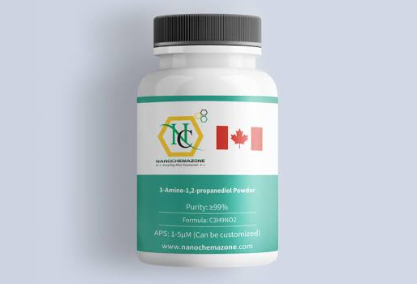
3-Amino-1,2-propanediol (CAS: 616-30-8) is a clear, viscous, water-miscible liquid that serves as a key chemical intermediate. Its primary application is as a starting material in the synthesis of iohexol, a widely used non-ionic contrast medium for X-ray computed tomography (CT) imaging. It is also utilized in the production of specialty materials, pesticide intermediates, and emerging applications in cosmetics and chelating resins.
Key properties:
-
Molecular formula: C₃H₉NO₂
-
Molecular weight: 91.11 g/mol
-
High water solubility
-
Requires high purity (≥99.5%) for pharmaceutical applications
3-Amino-1,2-Propanediol Market Summary
According to a new market research report published by Market Monitor Global, the global 3-Amino-1,2-Propanediol market was valued at USD 69.15 million in 2023 and is projected to reach USD 104.48 million by 2030, at a compound annual growth rate (CAGR) of 5.59% during the forecast period.
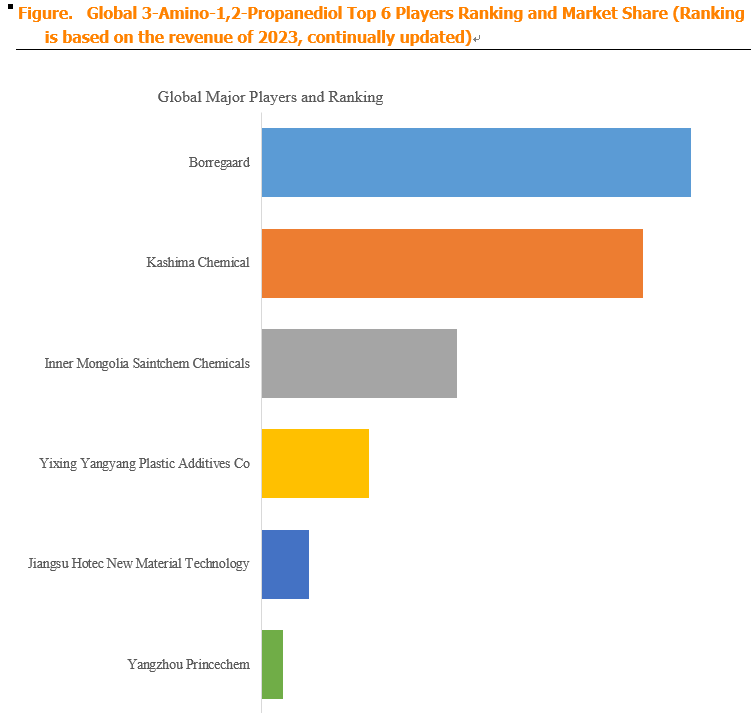
Market Monitor Global's analysis indicates that the global key manufacturers of 3-Amino-1,2-Propanediol include Borregaard (Norway), Kashima Chemical (Japan), Inner Mongolia Saintchem Chemicals (China), Zhejiang Haizhou Pharmaceutical (China), Inner Mongolia Shengshi Chemistry (China), and other regional players. In 2023, these companies collectively accounted for approximately 74.77% of total revenue, indicating a moderately concentrated market with high barriers to entry due to stringent purity requirements and regulatory compliance.
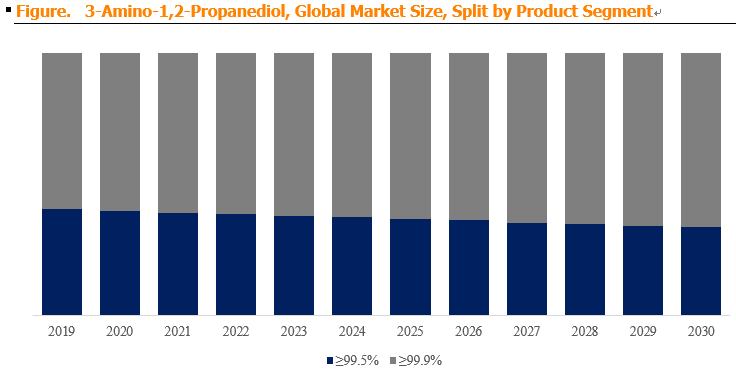
In terms of product type, ≥99.5% purity is the largest segment, holding an 84.5% share. This high-purity grade is essential for pharmaceutical applications, particularly in the production of non-ionic contrast media, where impurities can affect patient safety and imaging quality. ≥99.9% purity grades account for the remainder, serving specialized pharmaceutical and research applications.
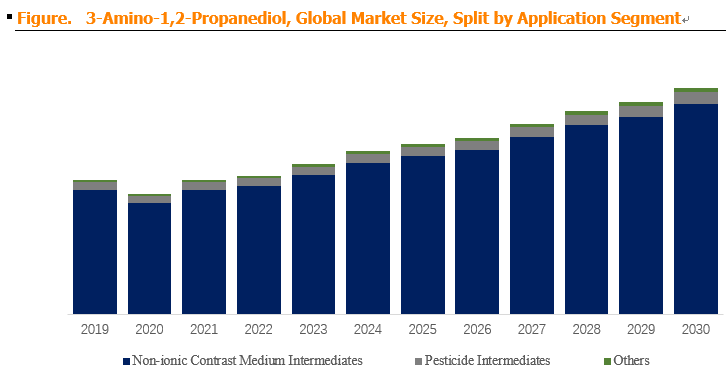
Regarding application, Non-ionic Contrast Medium Intermediates is the largest segment, accounting for 54% of the market. This includes the production of iohexol, ioversol, and iodixanol — key contrast agents used in CT imaging. Pesticide Intermediates and Others (specialty materials, cosmetics, chelating resins) account for the remainder.
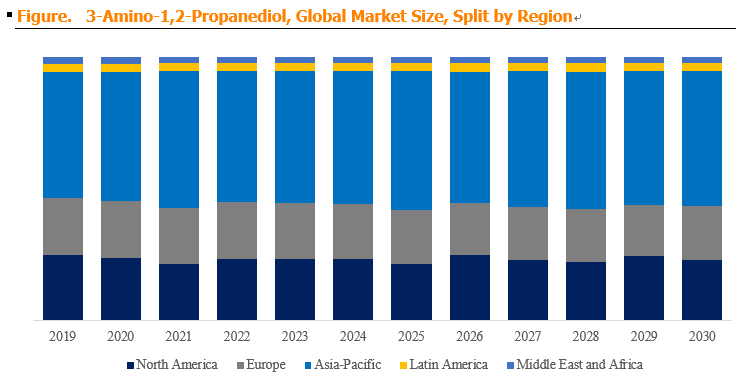
Regional dynamics: Asia-Pacific is the fastest-growing region, driven by China's expanding CT adoption, Japan's established diagnostic market, and increasing healthcare investments in India and Southeast Asia. North America and Europe are mature markets, benefiting from high CT equipment density and aging populations. CT equipment ownership varies significantly — 44 units per million in the U.S., 111 in Japan, 20 in China, and 30 in the EU — highlighting substantial growth potential in emerging markets.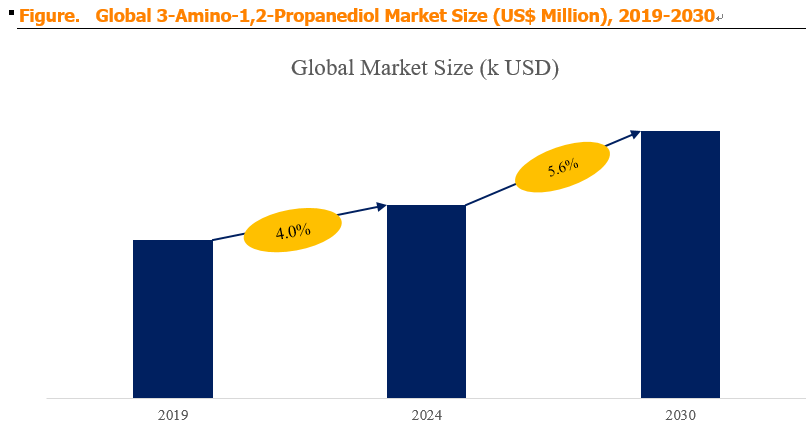
3-Amino-1,2-Propanediol Market Dynamics
Market Drivers:
-
D1: Growing adoption of non-ionic contrast agents – Non-ionic iodinated contrast agents such as iohexol are increasingly preferred over older ionic alternatives due to their improved safety profile, lower toxicity, and reduced side effects. As hospitals worldwide shift toward safer imaging technologies, demand for 3-amino-1,2-propanediol — a key precursor — continues to rise.
-
D2: Expanding healthcare infrastructure in emerging economies – Rising healthcare investments in Asia, Africa, and Latin America are driving demand for diagnostic imaging. Increased adoption of CT scanners and non-ionic contrast agents directly boosts demand for 3-amino-1,2-propanediol.
-
D3: Aging population and rising chronic disease prevalence – Global demographic shifts toward older populations are increasing the demand for diagnostic imaging procedures, including CT scans, which utilize non-ionic contrast agents. The growing prevalence of cardiovascular diseases and cancer further drives demand.
-
D4: Advancements in CT technology – Innovations in CT scanners — higher resolution, faster scanning, lower radiation doses — are expanding diagnostic applications and increasing contrast agent usage.
Market Restraints:
-
R1: High production costs and regulatory complexity – Producing ≥99.5% purity 3-amino-1,2-propanediol for pharmaceutical use requires stringent quality control and compliance with global regulatory standards, raising manufacturing costs.
-
R2: Niche market scope – The compound's primary application remains concentrated in non-ionic contrast medium intermediates. Limited application diversity restricts market growth and increases dependence on the medical imaging sector.
-
R3: Supply chain concentration – Production relies on specialized raw materials and a limited number of qualified manufacturers, creating potential supply vulnerabilities.
Market Opportunities:
-
O1: Expansion of contrast agent production capacities – Major manufacturers of non-ionic contrast agents are expanding production capacities, creating opportunities for 3-amino-1,2-propanediol suppliers to secure long-term supply agreements.
-
O2: Geographic expansion in emerging markets – Growing healthcare infrastructure in Asia and Africa presents significant opportunities for producers to expand market presence.
-
O3: Development of greener production processes – Research into renewable raw materials and more sustainable production methods could provide competitive advantages and appeal to environmentally conscious pharmaceutical companies.
-
O4: Emerging specialty applications – Beyond contrast media, 3-amino-1,2-propanediol has potential applications in pseudo-ceramide synthesis for cosmetics, chelating resins for metal recovery, and other specialty materials.
Industry Trends:
-
Dominance of ≥99.5% purity grade — Accounts for ~84.5% of the market, reflecting pharmaceutical quality requirements.
-
Non-ionic contrast media as primary application — Represents 54% of the market.
-
High market concentration — Top players account for ~74.77% market share.
-
Asia-Pacific as fastest-growing region — Driven by China's increasing CT adoption and healthcare investments.
-
Trend toward bio-based production — Increasing sustainability pressures drive research into renewable raw materials and greener production processes.
Industry Structure and Competitive Dynamics
The global 3-Amino-1,2-Propanediol market is characterized by a moderately concentrated competitive landscape:
-
Key global players: Borregaard (Norway), Kashima Chemical (Japan), Inner Mongolia Saintchem Chemicals (China), Inner Mongolia Shengshi Chemistry (China), Zhejiang Haizhou Pharmaceutical (China).
Key success factors:
-
Product quality and consistency — Meeting ≥99.5% purity standards.
-
Regulatory compliance — Navigating pharmaceutical regulations across jurisdictions.
-
Cost competitiveness — Efficient production processes and raw material sourcing.
-
Customer relationships — Long-term partnerships with contrast agent manufacturers.
-
Supply chain resilience — Secure access to raw materials and stable production capacity.
-
Innovation — Development of greener processes and specialty applications.


