 +1-3236076188
 sales@marketmonitorglobal.com
 Log In
  Log In
 Home>News>Global Ship Condition Monitoring Tool Market to Reach $1.41 Billion by 2032, Growing at 8.6% CAGR
Global Ship Condition Monitoring Tool Market to Reach $1.41 Billion by 2032, Growing at 8.6% CAGR
Tuesday,23 Jun,2026
Ship Condition Monitoring Tool: Definition and Principles
A ship condition monitoring tool is a digitalized, sensor-based system used to track the health of maritime machinery, propulsion systems, hull structures, and other critical onboard assets in real-time. By continuously analyzing data such as vibration, temperature, pressure, oil quality, corrosion, stress, and fatigue, these tools enable ship crews, shore-based fleet managers, and technical superintendents to move from scheduled (calendar-based) maintenance and reactive repair toward predictive and condition-based maintenance (CBM) . This transition significantly reduces unplanned downtime, improves operational safety, extends asset life, optimizes spare parts inventory, and supports compliance with increasingly stringent environmental and safety regulations.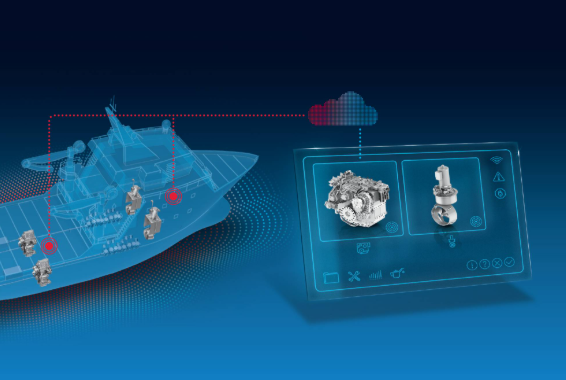
Core components of a ship condition monitoring system:
-
Sensor layer: Accelerometers (vibration), thermocouples/RTDs (temperature), pressure transducers, oil debris/quality sensors (ferrography, dielectric constant), strain gauges (hull stress), corrosion monitoring probes, and other specialized sensors. These are installed on critical equipment: main engines, auxiliary engines, shaft bearings, propulsion systems (propellers, thrusters), rudders, pumps, compressors, generators, and hull structures.
-
Data acquisition units (DAUs): Edge devices that collect, digitize, and pre-process sensor data. Modern DAUs often include local processing capability to perform preliminary anomaly detection (e.g., threshold checks, trend analysis) and reduce data transmission bandwidth.
-
Onboard data processing and storage: Local servers or edge computing platforms that aggregate data from multiple DAUs, run diagnostic algorithms, and store historical data. Increasingly, onboard systems include digital twin capabilities — a virtual representation of the vessel's machinery and structural condition that updates in real-time.
-
Communications and connectivity: Satellite (VSAT, Inmarsat), VHF, or cellular (near-shore) links to transmit data to shore-based systems. Bandwidth constraints historically limited data transmission, but advances in satellite communications (low-earth orbit constellations like Starlink, OneWeb) are enabling more data-rich, real-time monitoring.
-
Shore-based analytics and decision support: Cloud or on-premise data platforms that aggregate data from multiple vessels (fleet-level), apply advanced analytics (machine learning, AI-based anomaly detection, predictive models), and provide actionable insights to fleet managers, technical superintendents, and OEMs. Outputs include: equipment health dashboards, alert and alarm notifications, recommended maintenance actions, and life-cycle risk assessments.
-
Human-machine interface (HMI): Dashboards, reports, and mobile applications that present data in an intuitive, actionable format for onboard crew, shore-based managers, and other stakeholders.
Evolution of condition monitoring in maritime:
-
Stage 1 — Reactive maintenance (breakdown repair): Repair only when equipment fails. High unplanned downtime, high repair costs, safety risks.
-
Stage 2 — Scheduled maintenance (time-based, calendar-based): Overhaul or replace components at fixed intervals (e.g., every 5,000 hours, every 12 months). Often leads to premature replacement (wasting remaining useful life) or missed failures (if schedules are too conservative).
-
Stage 3 — Condition-based monitoring (CBM): Use sensor data to determine actual condition and only perform maintenance when needed. Extends equipment life, reduces maintenance costs, improves availability.
-
Stage 4 — Predictive maintenance (PdM) and prescriptive analytics: Combine sensor data with AI models to predict when failure is likely to occur and recommend optimal maintenance actions (timing, parts, procedures). Maximizes reliability while minimizing costs.
-
Stage 5 — Digital twin and autonomous diagnostics: Full virtual replicas of vessels that continuously update and simulate future conditions, enabling near-zero unplanned downtime and fully optimized lifecycle management.
Ship Condition Monitoring Tool Market Summary
According to a new market research report published by Market Monitor Global, the global Ship Condition Monitoring Tool market is projected to reach USD 1.41 billion by 2032, at a compound annual growth rate (CAGR) of 8.6% during the forecast period. This robust growth is driven by multiple converging factors: the commercial need to reduce unplanned downtime and maintenance costs, regulatory pressure to improve vessel efficiency and reduce carbon intensity, the imperative to extend asset life in an aging global fleet, the shortage of experienced onboard engineering crews, and the increasing digitization of maritime operations.
Market Monitor Global's analysis indicates that the global key manufacturers of Ship Condition Monitoring Tools include Wärtsilä (Finland), ABB (Switzerland/Sweden), Kongsberg Maritime (Norway), DNV (Norway), HD Hyundai Marine Solution (South Korea), Mitsui E&S (Japan), SKF Marine (Sweden), Emerson (USA), Danelec (Denmark), and Ascenz Marorka (France/Singapore). In 2025, the global top five players collectively accounted for approximately 46.0% of total revenue, indicating a moderately fragmented market with a mix of large marine OEMs (propulsion, automation, power systems), specialist condition monitoring providers, and classification-society-backed platforms. The market is characterized by a multi-layer ecosystem where different players dominate different layers: engine/propulsion OEMs leverage their deep integration with critical machinery; specialist providers focus on diagnostics, vibration, and oil analysis; hull monitoring specialists occupy the structural health segment; and classification societies provide validation and certification.
In terms of product type, the On-Premises segment is currently the largest, holding a 52.9% share. This includes onboard systems that are installed, operated, and maintained by the vessel owner/operator. On-premises solutions provide full data ownership, lower recurring communication costs (no continuous satellite data transmission), and can operate without reliable shore connectivity. However, they require onboard computing and storage, skilled personnel for maintenance and interpretation, and ongoing software updates. The Cloud-Based (or Ship-to-Cloud) segment is the fastest-growing segment, driven by the benefits of centralized analytics, fleet-wide benchmarking, machine learning models trained across many vessels, and reduced onboard hardware and IT burden.
Regarding application, Civilian Ships is the largest segment, accounting for 86.1% of the market. This includes: merchant vessels (container ships, bulk carriers, tankers, LNG carriers, chemical carriers), passenger vessels (cruise ships, ferries), and offshore support vessels (supply ships, OSVs). The Naval/Military Ships segment accounts for the remaining 13.9%, with specialized requirements (classified systems, high security, extreme reliability, and integration with combat systems). Commercial Fishing and Recreational/Yachts are smaller but growing segments.
Regional dynamics: Europe remains the strongest base for classification rules, structural monitoring, engine diagnostics, and marine automation. European players (Wärtsilä, ABB, Kongsberg, DNV, SKF Marine, Danelec) have deep expertise, long-standing relationships with shipowners and class societies, and extensive installed bases. South Korea and Japan are advancing through shipyard-led smart-ship platforms (e.g., HD Hyundai's SVESSEL CBM, Samsung Heavy Industries' SCBM) and engine/OEM diagnostic systems. China is building its position through engine-room monitoring, remote vessel supervision, intelligent bridge systems, and ship-shore data platforms, driven by the country's massive shipbuilding industry (China builds approximately 50% of global tonnage). North America is a moderate market with demand from the US Navy (naval applications) and commercial operators (particularly offshore and cargo).
Ship Condition Monitoring Tool Market Dynamics
Market Drivers:
-
D1: Rising fuel costs and pressure to improve fuel efficiency – Fuel typically represents 40-60% of a vessel's operating costs. Condition monitoring helps improve fuel efficiency by:
-
Detecting machinery performance degradation (e.g., increased fuel consumption due to wear, fouling, or calibration drift).
-
Enabling condition-based maintenance of propulsion systems (maintaining optimal combustion, turbocharger performance, and hull/propeller cleanliness).
-
Providing data for voyage optimization (speed, route, trim adjustments based on actual equipment condition).
-
Supporting just-in-time arrival (JIT) strategies to reduce waiting time and fuel waste at ports.
As fuel prices remain volatile and carbon compliance costs rise (EU ETS, FuelEU Maritime), the economic case for condition monitoring strengthens.
-
-
D2: Regulatory pressure — IMO GHG Strategy, EU ETS, FuelEU Maritime – The regulatory landscape is transforming maritime operations:
-
IMO's 2023 GHG Strategy: Targets net-zero GHG emissions from international shipping by or around 2050, with interim checkpoints (reduction of carbon intensity by 40% by 2030, reduction of total GHG emissions by 20-30% by 2030, and 70-80% by 2040). Condition monitoring helps vessel operators track and report their Carbon Intensity Indicator (CII), improve Energy Efficiency Existing Ship Index (EEXI), and implement operational measures to reduce emissions.
-
EU Emissions Trading System (ETS): Maritime emissions came under a phased compliance framework beginning in 2024. Vessels must purchase and surrender allowances for their CO₂ emissions on voyages within the EU, between EU ports, and for 50% of extra-EU voyages. Real-time monitoring of fuel consumption and machinery performance is essential for accurate reporting and cost management.
-
FuelEU Maritime: Applied in full from 1 January 2025, mandates a reduction in the greenhouse gas intensity of energy used on board ships (well-to-wake). Condition monitoring and voyage data are critical inputs for compliance and optimization.
These rules strengthen the commercial case for connected vessel data because monitoring outputs are increasingly tied to carbon intensity, voyage performance, fuel strategy, and compliance documentation.
-
-
D3: Aging global fleet and shortage of skilled crew – The average age of the global merchant fleet is increasing (approximately 22 years for bulkers, 23 years for tankers, 14 years for container ships). Older vessels have more maintenance requirements, higher failure rates, and less reliable engineering systems. Condition monitoring helps manage aging assets by:
-
Detecting incipient failures before they lead to unplanned outages (especially critical for old engines, bearings, and shafting).
-
Prioritizing maintenance efforts and spare parts allocation based on actual condition (not age alone).
-
Providing early warnings of structural fatigue or corrosion (hull monitoring, particularly important for older ships).
Concurrently, there is a growing shortage of experienced marine engineers and officers. The shipping industry faces difficulty attracting and retaining qualified personnel, and onboard crew sizes are often reduced (manning levels declining over decades). Digital condition monitoring tools can augment remaining crew by providing automated diagnostics, decision support, and remote expert access (technical superintendents, OEM support teams), reducing the need for highly specialized onboard expertise.
-
-
D4: Integration of ship-to-shore data and fleet-level analytics – The cost of satellite communications has declined, enabling more data-rich transmission (including streaming sensor data, not just aggregated alarms). Ship-to-shore data integration allows:
-
Fleet-wide benchmarking: Comparing vessel performance (fuel consumption, machinery efficiency) to identify outliers, share best practices, and optimize fleet operations.
-
Global OEM support: Engine manufacturers can monitor their engines across the global fleet, detect common failure modes, update maintenance algorithms, and proactively send service teams to vessels at appropriate ports (improving logistics, reducing costs).
-
Class society collaboration: Classification societies (ABS, DNV, Lloyd's Register, ClassNK, etc.) are increasingly using condition monitoring data to offer "smart" classification services (reduced survey intervals, remote surveys, dynamic risk assessments), reducing the burden on crew and operators.
-
Insurance and charterer benefits: Vessels with certified condition monitoring systems may qualify for reduced insurance premiums (demonstrating proactive risk management), and charterers may prefer well-maintained, reliable vessels with lower emission intensity.
-
-
D5: Decarbonization and energy efficiency imperatives – Beyond regulatory compliance, decarbonization is a commercial and reputational imperative: cargo owners, cargo buyers, and port authorities are increasing pressure for low-carbon shipping. Condition monitoring supports decarbonization by:
-
Enabling energy management (identifying waste, optimizing systems, reducing auxiliary consumption).
-
Facilitating retrofits and upgrades (providing baseline data to justify investment in energy-saving technologies).
-
Supporting operational improvements (trim, ballast, speed optimization).
-
Providing data for carbon accounting and verification (ensuring accuracy of emissions reporting for carbon markets, offset schemes, and ESG disclosure).
As the maritime industry's decarbonization journey progresses, condition monitoring will become an essential enabler of not just maintenance but overall vessel performance management.
-
Market Restraints:
-
R1: High upfront cost and integration complexity – A comprehensive ship condition monitoring system (sensors, DAUs, onboard server, communications, shore analytics, training) costs $200,000 to over $1 million per vessel, depending on scope, vessel size, and sophistication. For smaller shipowners, particularly those operating older vessels or in challenging market conditions (e.g., dry bulk during downturns), this capital outlay is significant. Additionally, integrating condition monitoring with existing onboard systems (engine control systems, automation, navigational systems) can be complex, requiring engineering expertise, vendor coordination, and potentially vessel dry-docking for sensor installation. For owners with diverse fleets (different OEMs for engines, different automation systems), standardization across the fleet is difficult, increasing integration costs.
-
R2: Data management and interpretation challenges – Sensor data collection is relatively easy; extracting actionable intelligence is hard. Condition monitoring systems generate vast quantities of data (vibration waveforms, temperature time series, pressure profiles). Many vessels lack onboard expertise to interpret this data; shore-based specialists may not have access to sufficient historical data for trend analysis. False alarms (alerts generated by normal variation or sensor artifacts) can desensitize crews, causing them to ignore genuine warnings. Effective condition monitoring requires:
-
Skilled analysts (either onboard or shore-based) trained in vibration analysis, oil analysis, diagnostic algorithms.
-
A structured decision framework (who gets alerts, what actions to take, how to escalate issues).
-
Continuous model calibration (adjusting to actual equipment and operating conditions).
-
Integration with maintenance management systems (maintenance planning triggered by condition alerts).
Without this capability, the system provides data but not value, leading to underutilization and owner dissatisfaction.
-
-
R3: Cybersecurity and data ownership concerns – As vessels become more connected, they become more vulnerable to cyber attacks. A malicious actor could corrupt condition monitoring data (masking actual failures or creating false alarms), disrupt communications, or even access critical vessel systems (engine controls, ballast, navigation). Shipowners are increasingly concerned about:
-
Data security: Preventing unauthorized access to vessel data.
-
Data ownership: Who owns the data (owner, operator, OEM, class society, charterer, insurer)? Each stakeholder may have different interests and access requirements.
-
Privacy: Protecting commercially sensitive vessel performance data from competitors or charterers negotiating rates.
-
Regulatory compliance: GDPR, CCPA, and other data protection regulations apply to personally identifiable information (PII) that may be collected (e.g., crew schedules, communications).
Condition monitoring suppliers must invest in robust cybersecurity (encryption, access controls, secure communications, regular security audits) and provide clear data governance frameworks. Shipowners may be reluctant to deploy cloud-based solutions if data ownership and security are unclear.
-
-
R4: Substitution from shipyard-owned platforms, OEM ecosystems, and generic industrial tools – Several sources of substitution risk:
-
Shipyard-owned platforms: Major shipyards (HD Hyundai, Samsung Heavy Industries, Daewoo Shipbuilding & Marine Engineering, China State Shipbuilding Corporation) are developing proprietary smart-ship platforms that include condition monitoring. If these become default offerings for newbuilds, independent monitoring suppliers face displacement.
-
Closed OEM diagnostic ecosystems: Engine manufacturers (Wärtsilä, MAN, WinGD, Caterpillar) offer proprietary monitoring and diagnostics. Owners with multi-OEM fleets may not want multiple OEM-specific systems.
-
Generic industrial predictive maintenance tools: Generic vibration analysis or oil analysis tools (not maritime-specific) could be adopted, but they lack maritime domain knowledge (specific failure modes, classification rules, operational constraints).
However, maritime-specific expertise, class alignment, onboard integration, cyber resilience, and long-term service capability will remain key barriers to entry and defense against substitution.
-
Market Opportunities:
-
O1: Certification and type approval of condition monitoring systems – Certification and data credibility are becoming as important as the sensor layer itself. Suppliers must prove not only that they can collect data, but also that their models, alarms, diagnostics, and maintenance recommendations are acceptable to shipowners, OEMs, class societies, and insurers. Class society type approval (ABS SMART, DNV Remote, LR ShipRight, ClassNK CAMS, BV SMART, etc.) validates that a system meets defined standards for monitoring, alarm, and diagnostic performance. Type-approved systems:
-
Are more likely to be specified by owners, charterers, and insurers.
-
Can support reduced survey intervals (save time and money).
-
Provide legal defensibility (if a failure occurs, the operator can demonstrate that they followed approved monitoring practices).
Manufacturers that invest in obtaining class approval, maintaining it across software updates, and supporting customers in the approval process can build a strong competitive moat. Recent examples include: Wärtsilä Expert Insight (real-time vessel data to detect potential engine-system issues), HD Hyundai SVESSEL CBM (received ClassNK type approval) and HD Hyundai SCBM (ABS SMART(MHM) Tier 2 PDA), and collaboration among KR, Sinokor, and HD Hyundai Marine Solution to deploy AI-driven CBM on container ships — indicating that condition monitoring is moving from isolated pilot projects to certified, fleet-relevant commercial deployment.
-
-
O2: Expansion into remote diagnostics and digital twin – The industry is evolving from local alarm panels and fragmented sensor installations toward multi-source data fusion, edge computing, cloud diagnostics, AI-based anomaly detection, digital twins, and class-recognized smart functions. Opportunities include:
-
Remote diagnostics: Centralized experts (OEMs, specialist providers) monitor multiple vessels, diagnosing and recommending actions without requiring on-site visits. Reduces travel costs, speeds response, supports crew augmentation.
-
Digital twin creation: A comprehensive virtual replica of vessel machinery and structure, updated with real-time sensor data, enabling simulation of failure scenarios, optimization of maintenance schedules, and training of crew.
-
AI-based anomaly detection: Deep learning models trained on fleet-wide data identify subtle patterns that precede failure, often before any single parameter exceeds a threshold. This is particularly valuable for complex, nonlinear systems (e.g., gas engines, scrubbers, digital control loops).
First movers in digital twin and AI-diagnostics can establish standards and become the go-to platform for fleet-wide condition management.
-
-
O3: Integration with voyage optimization and energy management systems – While condition monitoring traditionally focuses on equipment health, the next generation integrates with voyage optimization (weather routing, speed adjustment) and energy management (power distribution, auxiliary consumption). This integration enables:
-
Propulsion-optimized voyage: Adjusting route and speed based on actual engine performance (e.g., if an engine is degrading, reduce speed to maintain efficiency).
-
Just-in-time arrival: Coordinating with ports, optimizing arrival time to reduce idling and waiting.
-
Real-time voyage compliance: Tracking CII, EEXI, and emissions in real-time; recommending adjustments to meet targets.
-
Automated reporting: Generating compliance reports, carbon footprint, and ESG data with minimal crew effort.
Suppliers that offer a unified platform covering monitoring, optimization, and compliance can capture more value and increase stickiness.
-
-
O4: Growth in civilian ship retrofitting and modernizations – The global fleet includes over 50,000 merchant vessels (>100 GT), with average vessel age around 20 years. While newbuilds are relatively few (annual deliveries ~1,500-2,000 vessels), retrofitting existing vessels is a large and growing market. Condition monitoring systems can be installed during routine dry-docking without major operational disruption. Retrofitting market drivers:
-
Fuel efficiency improvement: Vessels need to remain competitive; condition monitoring supports efficiency improvements.
-
Compliance requirements: CII, EEXI, EU ETS, FuelEU Maritime compliance requires continuous monitoring and reporting.
-
Crew shortage: Monitoring reduces demands on crew and allows remote support.
-
Digital transformation: Many legacy vessels have no digital data infrastructure; condition monitoring is a low-cost entry point to vessel digitization.
Suppliers that design condition monitoring systems with retrofitting in mind (easy installation, wireless sensors, modular hardware, simple integration with legacy systems) can capture substantial retrofit business.
-
-
O5: Naval and specialty vessel applications – Naval vessels (warships, submarines, support vessels) and specialty vessels (offshore survey, icebreakers, research vessels, cable layers, wind farm support) have more demanding requirements: higher reliability (mission-critical systems), extreme operational conditions (shock, vibration, noise, cold), and higher security. They also have larger budgets and less price sensitivity. Naval and specialty vessel monitoring offers:
-
Higher margins: Due to specialized requirements and smaller competitive set.
-
Long-term relationships: Defense contracts extend over decades.
-
Technology transfer: Naval innovations often trickle down to commercial applications.
Suppliers with naval certification (e.g., NATO qualifications, national defense clearance) and proven extreme-environment performance can capture this premium segment.
-
-
O6: Fleet-wide performance benchmarking and optimization – For large fleet operators (major shipping companies, charter owners) with >50 vessels, condition monitoring can provide fleet-wide insights:
-
Benchmarking: Comparing vessel performance to identify best performers and underperformers; sharing best practices.
-
Optimizing maintenance planning: Aligning dry-docking schedules, spare parts inventory, and service engineer availability.
-
Leveraging OEM support: When multiple vessels have the same OEM equipment, fleet-level monitoring allows OEMs to analyze data across the fleet, identify systemic issues, and improve software and maintenance recommendations.
-
Charterer and cargo owner reporting: Providing validated performance data to support contractual obligations (e.g., voyage charter performance guarantees).
The value of fleet-level analytics is greater than the sum of individual vessel monitoring. Suppliers that can provide fleet-wide platforms with consolidated dashboards, benchmarking, and optimization tools can build stronger customer relationships and longer-term contracts.
-
Industry Structure and Competitive Dynamics
The global ship condition monitoring market is best understood as a multi-layer ecosystem consisting of:
-
Marine automation and propulsion OEMs: Kongsberg, Wärtsilä, ABB, Rolls-Royce Power Systems/mtu, WinGD, Caterpillar, and Accelleron. These companies benefit from deep integration with engines, propulsion systems, power systems, automation platforms, and lifecycle-service contracts. They offer condition monitoring as part of a broader digital services package.
-
Specialist condition-monitoring providers: SKF, SPM, CM Technologies, Info Marine, Acoem, and similar players. They are more focused on machinery diagnostics, vibration monitoring, oil condition, rotating equipment health, and reliability engineering. They typically provide independent, OEM-agnostic solutions.
-
Hull and structural monitoring companies: Light Structures, DNV, HULLMOS, BMT, PhotonFirst, Xtronica, and related suppliers. They occupy the hull stress, fatigue, and structural-health-monitoring layer — a specialized sub-segment requiring expertise in marine structures, fatigue analysis, and classification rules.
-
Classification-society-backed digital platforms: DNV, ABS, Lloyd's Register, ClassNK, BV, and RINA offer condition monitoring as part of their digital fleet management and smart classification services. They leverage their regulatory authority and trust to provide data-driven insights and reduced survey services.
Key barriers to entry:
-
Maritime-specific expertise (vessel systems, failure modes, operating conditions)
-
Class alignment (meeting classification society requirements for monitoring, alarms, and diagnostics)
-
Onboard integration (connecting to existing engine controls, automation, and nav systems)
-
Cyber resilience (securing ship-shore communications, protecting vessel control systems)
-
Long-term service capability (maintenance of on-vessel equipment, shore-side analytics, and customer support)
Certification and data credibility are becoming as important as the sensor layer itself. Suppliers must prove not only that they can collect data, but also that their models, alarms, diagnostics, and maintenance recommendations are acceptable to shipowners, OEMs, class societies, and insurers. The market is shifting from isolated pilot projects to certified, fleet-relevant commercial deployment, with partnerships and collaborations increasingly common.
The main substitution risk comes from shipyard-owned platforms (default on newbuilds), closed OEM diagnostic ecosystems (proprietary monitoring requiring OEM-specific equipment), and generic industrial predictive-maintenance tools (lacking maritime domain knowledge). However, the high barriers to entry and established player relationships mean that the market is likely to remain dominated by the current multi-layer ecosystem, with consolidation and partnerships rather than revolutionary disruption.


