 +1-3236076188
 sales@marketmonitorglobal.com
 Log In
  Log In
 Global Potassium Carbonate Market to Reach $1.2 Billion by 2032, Growing at 5.3% CAGR
Tuesday,23 Jun,2026
Potassium Carbonate: Definition and Principles
Potassium carbonate (K₂CO₃) is a white, water-soluble, inorganic alkali salt of potassium. It is an important basic chemical material widely used across multiple industries, including glass manufacturing, agrochemicals (potassium-based fertilizers), food processing (as an acidity regulator and stabilizer), pharmaceuticals, detergents, water treatment, and various industrial applications.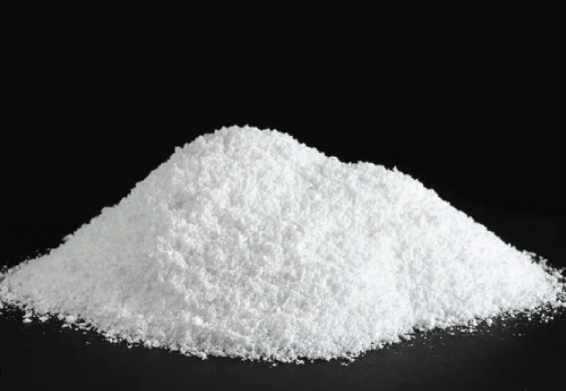
Key chemical and physical properties:
-
Molecular formula: K₂CO₃
-
Molecular weight: 138.21 g/mol
-
Appearance: White, granular or crystalline powder (hygroscopic — readily absorbs moisture from air)
-
Solubility: Highly soluble in water (112 g/100 mL at 20°C) — insoluble in ethanol and most organic solvents
-
pH: Strongly alkaline (aqueous solution pH ~11.5 for 1% solution)
-
Melting point: 891°C
-
Density: 2.43 g/cm³
-
Reactivity: Reacts with acids to release carbon dioxide (CO₂); forms potassium bicarbonate (KHCO₃) upon absorption of CO₂ and water
Unique advantages of potassium carbonate over alternative alkaline salts:
-
Strong alkalinity: Provides effective pH adjustment and buffering capacity across various industrial processes.
-
High purity and compatibility: Available in technical, food, pharmaceutical, and electronic grades, meeting stringent purity requirements for sensitive applications.
-
Good solubility and stability: Forms stable solutions under a wide range of temperatures and pH conditions.
-
Non-toxic and environmentally friendly: Unlike some alternative alkali salts (e.g., sodium carbonate in certain applications), potassium carbonate is generally recognized as safe (GRAS) in food and pharmaceutical applications and is less harmful to soil and water systems (potassium is a plant nutrient).
-
Efficient potassium utilization: In agricultural applications, potassium carbonate provides an efficient source of potassium (K), an essential macronutrient for plant growth, photosynthesis, and stress resistance.
Primary production methods:
-
Electrolysis Method (Potassium Chloride Electrolysis): The dominant production process globally, accounting for approximately 55.8% of total production. This method involves the electrolysis of potassium chloride (KCl) solution to produce potassium hydroxide (KOH), which is then carbonated with CO₂ to yield potassium carbonate. The process is energy-intensive (high electricity consumption) but yields high-purity product and allows co-production of chlorine and hydrogen (valuable by-products).
-
Carbonation Method (Potassium Hydroxide + CO₂): The direct reaction of potassium hydroxide (KOH) with carbon dioxide (CO₂):
-
2 KOH + CO₂ → K₂CO₃ + H₂O
This method is relatively simple and produces high-purity potassium carbonate but depends on the availability of KOH.
-
-
Natural Mineral Processing: Potassium carbonate can be extracted from certain natural brines or mineral deposits (e.g., potash), but this is less common due to lower purity and higher processing costs compared to synthetic routes.
-
By-product Recovery: Potassium carbonate is sometimes recovered as a by-product from other chemical processes (e.g., from production of potassium phosphate, potassium silicate, or during certain organic synthesis reactions). This represents a smaller fraction of total supply.
Potassium Carbonate Market Summary
According to Market Monitor Global data, global Potassium Carbonate production reached approximately 741,430 tons in 2025, with an average global market price of approximately $1,123 USD per ton. Global production is concentrated in regions with abundant potassium resources (potash mines) and cost-competitive energy (for electrolysis). China is the world's largest producer and consumer, followed by South Korea, Japan, Europe, and North America.
The global Potassium Carbonate market is projected to reach USD 1.2 billion by 2032, at a compound annual growth rate (CAGR) of 5.3% during the forecast period (2026-2032). This steady growth is driven by increasing demand from glass manufacturing (particularly specialty and high-end glass), agrochemicals (potassium-based fertilizers), food and pharmaceutical industries, and emerging applications in water treatment, detergents, and electronic materials.
Market Monitor Global's analysis indicates that the global key manufacturers of Potassium Carbonate include UNID (South Korea), Armand Products (USA), Vynova Group (Belgium/Europe), Zhejiang Dayang Biotechnology (China), Wentong Potash (China), JSC Pikalevskaya Soda (Russia), AGC Chemical (Japan), Altair Chemical (China), Wenshui County Zhenxing Fertilizer (China), GACL (India), INEOS KOH (USA/Europe), Baoding Runfeng Industry (China), Shanxi Leixin Chemical (China), OPC (USA), Shanxi Wencheng Chemical (China), Salt Lake Industry (China), and Soda-Chlorate Ltd (multiple). In 2025, the global top five players collectively accounted for approximately 69.0% of total revenue, indicating a moderately concentrated market with significant dominance by a few large players. European and American companies hold technological and brand advantages in high-value-added sectors (electronic and pharmaceutical grades), while Chinese and South Korean companies — leveraging their resource, cost, and production capacity advantages — have rapidly risen to become core suppliers of general-purpose products globally.
Regional dynamics: According to Market Monitor Global data, China is currently the world's largest consumer market, accounting for 33.90% of market share in 2025, driven by its massive glass industry, electronics manufacturing, and agricultural demand. Europe follows with 27.91% market share, driven by high-end glass, pharmaceuticals, and food processing industries, as well as stringent quality and green process requirements. North America accounts for 16.41%, with steady demand from agriculture (potash fertilizers), specialty glass, and water treatment industries. India is projected to experience the fastest growth in the coming years, with a CAGR of approximately 5.61% from 2026 to 2032, driven by expanding glass manufacturing, agricultural intensification, and industrialization. Emerging regions such as the Middle East, Latin America, and Africa are experiencing gradual demand release alongside industrialization and agricultural modernization, becoming important growth drivers in the global market.
In terms of product type, the Electrolysis Method segment is currently the largest, holding a 55.8% share. Electrolysis is preferred for large-scale, high-purity production because it yields a very pure product with consistent quality, suitable for high-end applications (electronics, pharmaceuticals, food-grade). The Carbonation Method and Other Methods (natural extraction, by-product recovery) account for the remaining share, with carbonation being used for smaller-scale or specialty production where high-purity CO₂ and KOH are available.
Regarding application, the Glass & Ceramic segment is the largest, accounting for 29.8% of the market. Potassium carbonate is a critical flux in glass manufacturing, reducing the melting temperature of silica (sand) and improving the optical and chemical stability of glass. It is particularly important in:
-
Specialty glass: Optical glass (lenses, prisms), electronic glass (display panels, cover glass for smartphones and tablets), laboratory glassware, and high-quality tableware.
-
Ceramic glazes: Potassium carbonate is used as a flux in ceramic glazes, improving melting behavior and enhancing gloss, hardness, and durability.
-
Glass fiber: Used as a component in glass fiber production for insulation and reinforcement applications.
The Agrochemicals / Fertilizers segment (potassium-based fertilizers) and Industrial Chemicals (used as a precursor for other potassium salts, in detergents, water treatment, and in the production of specialty chemicals) are also significant, with growing demand from agriculture and water treatment sectors. The Food & Pharmaceutical segment, while smaller in volume, is higher in value, driven by quality and purity requirements.
Potassium Carbonate Market Dynamics
Market Drivers:
-
D1: Growing demand for high-quality specialty glass and electronic glass – The global glass industry is evolving from commodity container glass (bottles, windows) toward value-added specialty glass. Key drivers include:
-
Consumer electronics: Smartphones, tablets, and wearable devices increasingly use high-purity glass (Gorilla Glass, Dragontrail, other alumino-silicate glasses) requiring potassium carbonate as a key ingredient for chemical strengthening (ion-exchange process where potassium ions replace sodium ions in the glass surface, increasing surface compression and strength).
-
Display panels: LCD, OLED, and microLED displays require high-transparency, low-distortion glass substrates, which use high-purity potassium carbonate as a flux to achieve the required optical properties.
-
Automotive glass: Advanced driver-assistance systems (ADAS) and autonomous vehicles require laminated glass with embedded sensors, heating elements, and heads-up displays — all of which use specialty glass formulations containing potassium carbonate.
-
Optical glass: High-end lenses (camera, telescope, microscope, optical instruments) require precise refractive index and dispersion properties, achievable only through controlled glass compositions incorporating potassium.
As the demand for high-quality, precision glass continues to grow, so does the demand for high-purity potassium carbonate.
-
-
D2: Rising demand for potassium-based fertilizers in agriculture – Global food security, population growth, and the need to increase agricultural yields (particularly in developing countries) are driving demand for potash-based fertilizers. While potassium chloride (KCl) is the most common potassium fertilizer, potassium carbonate is used in:
-
Specialty fertilizers: For high-value crops (fruits, vegetables, nuts, flowers, tobacco) where chloride-sensitive crops benefit from chloride-free potassium sources.
-
Liquid fertilizers: Potassium carbonate is soluble and can be used in liquid fertilizer formulations for fertigation (drip irrigation systems) and foliar application.
-
Organic farming: Potassium carbonate is certified for use in organic agriculture in many jurisdictions (USDA Organic, EU Organic), offering a natural potassium source.
-
Soil pH correction: Potassium carbonate (alkaline) can help neutralize acidic soils, improving nutrient availability and crop health.
As global arable land intensifies and organic farming expands, potassium carbonate demand from agriculture will continue to grow.
-
-
D3: Expanding applications in food processing and pharmaceuticals – Potassium carbonate is approved as a food additive (E501 in the EU) and used as:
-
Acidity regulator / pH buffer: In beverages, processed foods, and confectionery.
-
Stabilizer: In cocoa and chocolate products to control pH and enhance color.
-
Processing aid: In noodle and pasta production (improves texture, color stability).
-
Mineral supplement: As a potassium source in fortified foods and dietary supplements.
In pharmaceuticals, potassium carbonate is used as: -
Excipient: In tablet formulations (as a filler, binder, or pH adjuster).
-
Active ingredient precursor: For the production of potassium-based pharmaceutical compounds.
-
API synthesis: As a reagent in organic synthesis for drug manufacture.
With the global demand for processed foods, functional foods, and pharmaceutical products rising, the food and pharmaceutical grade potassium carbonate market grows steadily.
-
-
D4: Water treatment and detergent industries – Potassium carbonate is increasingly used in water treatment applications:
-
pH adjustment: Neutralizing acidic industrial wastewater (e.g., from metal finishing, chemical plants, mining).
-
Softening: Replacing sodium carbonate (soda ash) in water softening systems, particularly in regions where sodium discharge restrictions apply.
-
Potassium-based salts: Potassium carbonate is a precursor for various potassium-based water treatment chemicals (e.g., potassium permanganate, potassium bisulfite, potassium silicate).
In detergents and soaps, potassium carbonate is used as: -
Builder / water softener: Binds calcium and magnesium ions, improving detergent efficiency.
-
pH buffer: Maintains alkaline pH for effective cleaning (particularly in dishwashers and industrial cleaning).
As stricter environmental regulations restrict sodium discharge in some regions, and as water scarcity drives water reuse and recycling, demand for potassium-based water treatment chemicals — including potassium carbonate — will grow.
-
-
D5: High-end manufacturing upgrade and green chemical transition – The global chemical industry is transitioning toward "greener" processes: less waste, lower energy consumption, renewable feedstocks, and safer products. Potassium carbonate has favorable environmental characteristics:
-
Low toxicity: Non-toxic to humans and animals in reasonable quantities (GRAS).
-
Biodegradable: No persistent environmental toxicity.
-
Recyclable: Can be recovered and reused in many processes (e.g., in CO₂ capture applications, where potassium carbonate solutions can absorb CO₂ from flue gas).
-
Potassium's role in circular economy: Recovered potassium carbonate can be returned to agricultural use as a fertilizer, closing nutrient loops.
Additionally, governments (particularly in China, Europe, and the US) are implementing stricter environmental policies, requiring chemical producers to reduce emissions, waste, and energy consumption. This drives demand for high-purity, efficient potassium carbonate production processes.
-
Market Restraints:
-
R1: Raw material supply concentration and price volatility – Potassium carbonate production depends on the availability and price of raw materials:
-
Potassium chloride (KCl): KCl is the primary raw material for the electrolysis production route. KCl prices are influenced by global potash supply-demand (potash mining is concentrated in Canada, Russia, Belarus, China, and parts of the Middle East). Geopolitical disruptions (e.g., sanctions on Belarus, Russia-Ukraine war impacts on fertilizer exports), trade policies (tariffs, export restrictions), and supply-demand imbalances cause KCl price volatility, affecting potassium carbonate production costs.
-
Potassium hydroxide (KOH): For the carbonation method, KOH availability and price depend on chlorine demand (KOH is co-produced with chlorine and hydrogen in electrolysis plants). When chlorine demand declines (e.g., during economic downturns affecting PVC and other chlorine-consuming industries), KOH supply constraints can tighten, affecting K₂CO₃ production.
-
Energy costs: Electrolysis (the dominant production route) is energy-intensive. Electricity price fluctuations (due to natural gas and coal prices, geopolitical factors, renewable integration) directly impact production costs.
This raw material and energy price volatility reduces profit margins for potassium carbonate producers, particularly smaller producers without long-term supply contracts or vertical integration.
-
-
R2: High capital intensity and environmental compliance costs – Setting up a potassium carbonate production facility (particularly electrolysis-based) requires significant capital investment (electrolytic cells, rectifiers, carbonation reactors, purification columns, drying and granulation units, and associated utilities and environmental controls). Additionally, compliance with environmental regulations imposes costs:
-
Wastewater treatment: Electrolysis and carbonation processes generate wastewater requiring treatment before discharge.
-
Air emissions control: CO₂ handling and release must be controlled (though carbonation actually consumes CO₂, making it potentially carbon-negative if CO₂ is captured).
-
Waste disposal: Potassium carbonate production generates solid and liquid wastes requiring proper disposal or recovery.
-
Regulatory reporting: Compliance with REACH (EU), TSCA (US), and other chemical regulations requires documentation, testing, and reporting.
These capital and compliance costs create high barriers to entry, limiting competition and keeping prices higher than they might otherwise be. Smaller producers may struggle to meet capital and regulatory requirements, leading to industry consolidation.
-
-
R3: Competition from alternative potassium-based products – Potassium carbonate competes with other potassium compounds that serve similar functions:
-
Potassium hydroxide (KOH): In some applications (e.g., pH adjustment, soap production, biodiesel production), KOH can substitute for K₂CO₃. KOH has higher alkalinity per unit but is more corrosive and expensive to handle.
-
Potassium chloride (KCl): In fertilizer applications, KCl is cheaper than K₂CO₃ but cannot be used on chloride-sensitive crops or in organic farming.
-
Potassium nitrate (KNO₃): Used as a fertilizer and in some specialty applications, offering a combined potassium and nitrogen source.
-
Potassium bicarbonate (KHCO₃): Used as a pH buffer and fire extinguisher agent; can substitute for K₂CO₃ in some food and pharmaceutical applications.
-
Sodium carbonate (soda ash): In many industrial applications (glass, detergents, water treatment), sodium carbonate can substitute for potassium carbonate at lower cost but may introduce sodium-related performance issues (e.g., higher thermal expansion in glass, sodium sensitivity in certain plants).
For cost-sensitive applications, price competition from cheaper alternatives limits potassium carbonate's market share. Producers must focus on applications where potassium's unique benefits (e.g., chloride-free fertilizer, lower thermal expansion in glass, lower sodium discharge) justify the price premium.
-
-
R4: Economic and geopolitical uncertainties – The global economy faces significant downward pressure: slowing growth in major economies, high inflation, interest rate hikes, and trade tensions. These factors affect industrial production, construction (driving glass demand), and agricultural investment (fertilizer demand). Trade frictions and geopolitical conflicts (e.g., US-China trade disputes, Russia-Ukraine war, Middle East tensions) disrupt supply chains, raise raw material prices, and create regional supply-demand imbalances. For potassium carbonate producers, these uncertainties complicate demand forecasting, raw material procurement, and pricing strategies.
Market Opportunities:
-
O1: Demand for high-purity and specialty grades (electronic and pharmaceutical) – As global manufacturing upgrades toward high-value-added products, demand for high-purity potassium carbonate (≥99.5%, 99.9%, 99.99%) is growing:
-
Electronic grade: For use in the production of electronic glass (display panels, semiconductor packaging, photomask substrates). Requires extremely low levels of sodium (Na), iron (Fe), and other metallic impurities.
-
Pharmaceutical grade: For use as excipients and API synthesis. Requires compliance with USP (US Pharmacopeia), EP (European Pharmacopoeia), and local pharmacopoeia standards, with strict limits on impurities and endotoxins.
-
High-purity reagents: For analytical chemistry, scientific research, and specialized industrial processes.
Manufacturers that can produce and certify high-purity potassium carbonate (4N, 5N purity) can command price premiums (often 2-5× the price of technical grade). This segment is less price-sensitive and more stable than commodity grades, offering higher margins and customer loyalty.
-
-
O2: Expansion of potassium carbonate in CO₂ capture and environmental applications – Potassium carbonate solutions are used in post-combustion CO₂ capture from power plants and industrial sources. The basic chemistry: K₂CO₃ + CO₂ + H₂O ↔ 2 KHCO₃ (absorbing CO₂), and reversed by heating (releasing pure CO₂ for sequestration or utilization). This technology is relatively mature and used in several industrial plants. As carbon capture, utilization, and storage (CCUS) deployment accelerates to meet climate goals, demand for potassium carbonate as a CO₂ absorbent will increase significantly. Manufacturers who can supply high-quality K₂CO₃ at competitive prices for this emerging environmental application could capture substantial new demand.
-
O3: Geographic expansion — India and emerging markets – India is projected to experience the fastest growth (5.61% CAGR) in potassium carbonate demand, driven by:
-
Expanding glass industry: Flat glass for construction (urbanization), container glass for beverages and pharmaceuticals, and specialty glass for automotive and electronics.
-
Agricultural intensification: Increasing fertilizer use (particularly potassium-based fertilizers) to improve yields.
-
Industrialization: Food processing, pharmaceutical manufacturing, detergent production, water treatment infrastructure.
Similarly, Southeast Asian countries (Indonesia, Vietnam, Thailand, Philippines), Latin America (Brazil, Mexico, Argentina, Colombia), the Middle East (Saudi Arabia, UAE), and Africa (South Africa, Nigeria, Kenya) are experiencing gradual demand growth. Potassium carbonate manufacturers that establish distribution channels, local partnerships, and (where economically viable) local production facilities in these markets can capture growth before competitors.
-
-
O4: Potassium carbonate for organic and sustainable agriculture – The global organic food market (valued at over $250 billion) is growing at 8-10% annually. Organic farming standards (USDA Organic, EU Organic, other national certifications) allow the use of potassium carbonate as a fertilizer and soil amendment. Unlike KCl (synthetic origin, chloride-containing), potassium carbonate is considered a "natural" potassium source. Marketing and certification of potassium carbonate as an "organic approved input" can command premium pricing (15-30% above conventional grades). Manufacturers that invest in organic certification (e.g., OMRI (Organic Materials Review Institute) listing in the US, or equivalent certifications in Europe and other regions) and supply chain traceability can capture this premium segment.
-
O5: Product diversification — potassium bicarbonate and downstream derivatives – Potassium carbonate is a versatile intermediate for producing other potassium-based chemicals:
-
Potassium bicarbonate (KHCO₃): Produced by reacting K₂CO₃ with CO₂ and water. Used as a food additive (acidity regulator), fire extinguisher agent, and pH buffer.
-
Potassium silicate: Used in corrosion-inhibiting coatings, detergents, adhesives, and soil stabilizers.
-
Potassium formate: Used as a de-icing agent (less corrosive than chloride salts), drilling fluid additive, and dyeing assistant.
-
Potassium citrate: Used as a food additive, pharmaceutical excipient, and alkalinizing agent.
-
Other potassium salts: Potassium permanganate, potassium bisulfite, potassium phosphates, etc.
By integrating downstream into these higher-value derivatives, potassium carbonate manufacturers can increase per-unit revenue, reduce commodity price exposure, and offer customers a broader product portfolio. This downstream integration is a key strategy of leading players (e.g., Zhejiang Dayang Biotechnology, INEOS KOH, Vynova Group), and offers opportunities for other manufacturers to expand.
-
-
O6: Technological improvements — energy efficiency and green electrolysis – Electrolysis (the dominant production method) is energy-intensive and has a significant carbon footprint if powered by fossil fuels. Technological improvements can reduce cost and environmental impact:
-
Improved electrolytic cell designs: Higher current density, lower cell voltage, longer membrane life.
-
Renewable energy integration: Powering electrolysis with solar, wind, or hydroelectric power to produce "green potassium carbonate" (lower carbon footprint).
-
Waste heat recovery: Using waste heat from electrolysis and carbonation processes for drying, heating, or cogeneration.
-
Process optimization: Improved KOH carbonation efficiency, reduced water consumption, and improved purification yield.
Manufacturers that invest in energy-efficient, low-carbon production technologies can differentiate themselves in markets increasingly valuing sustainability (Europe, North America, large corporate buyers with ESG commitments). They may also benefit from government subsidies or tax incentives for green manufacturing.
-
Upstream, Midstream, and Downstream Industrial Chain Analysis:
-
Upstream: Raw materials including potassium chloride (KCl) from potash mining, potassium hydroxide (KOH) from electrolysis, and CO₂ from various sources (industrial gas suppliers, chemical plants, or captured from flue gas). Energy inputs (electricity, natural gas, steam) are also critical. Key upstream suppliers are potash mining companies and energy utilities. Raw material prices and availability significantly influence potassium carbonate production costs.
-
Midstream: Potassium carbonate manufacturers (UNID, Armand Products, Vynova Group, Zhejiang Dayang, Wentong Potash, JSC Pikalevskaya Soda, AGC Chemical, Altair Chemical, etc.) who convert raw materials (KCl, KOH, CO₂) into potassium carbonate via electrolysis, carbonation, or other routes. Midstream includes purification (to achieve technical, food, pharmaceutical, or electronic grades), granulation, drying, packaging, and quality control. Manufacturers differentiate by product purity, consistency, and availability of downstream derivative products.
-
Downstream: End-use industries including glass & ceramics (the largest consumer), agrochemicals and fertilizers (potash-based fertilizers), food processing, pharmaceuticals, detergents and soaps, water treatment, electronic materials, carbon capture, and various other industrial applications. Downstream demand is driven by global economic growth, urbanization, industrial output, agricultural activity, and regulatory policies. Customer requirements vary by grade: technical grade for industrial applications, food grade for food processing, pharmaceutical grade for drug production, and electronic grade for high-end specialty glass and electronics.
The entire potassium carbonate industry chain is characterized by a dual drive of technology advancement and market demand. Manufacturers continuously improve production processes (higher purity, lower energy consumption, reduced environmental impact) while downstream customers demand higher quality and more sustainable products. The shift from basic capacity competition to comprehensive strength competition (technology, quality, cost, sustainability, supply chain reliability) is reshaping the industry landscape.


